





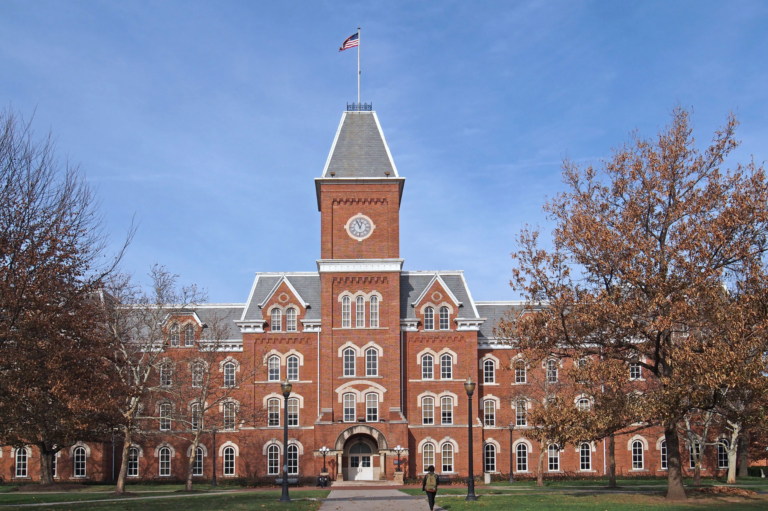

Choosing a college is one of the most significant decisions students will make—and campus visits are your opportunity to test-drive the experience before committing. Brochures, websites, and virtual tours offer polished images of sunny quads, smiling students, and state-of-the-art buildings. But they only tell part of the story.
So how do you get the real scoop on a college during a campus visit?
As college coaches, we’ve guided many students through campus tours, and we always tell them the same thing: You’re not just choosing a school. You’re choosing a community, a culture, and a lifestyle.
To get the real picture, you’ll need to go beyond the guided tour. Here’s how:
Go Off-Script During the Tour
-
- Campus tours are helpful, but they’re also curated experiences. Tour guides are often enthusiastic students selected to represent the school in a positive light, which makes sense, but doesn’t always tell you everything.
-
- Ask your tour guide about their challenges. “What’s something you wish you knew before coming here?” or “What’s one thing you’d change if you could?” Ask what surprised them about the school. This reveals realities that don’t show up in marketing materials.
-
- Pay attention to what’s not being said. Are there buildings they skip? Topics they avoid? It might be worth investigating further.
-
- The tour guide is trained to say the right things—but random students aren’t. Talking to students you meet on campus (in the library, on the quad, in the coffee shop) can offer honest perspectives.
-
- Listen for patterns. If three different people say, “There’s not much to do here,” take note.
-
- Talk to Students Not on the Tour. Your tour guide is trained to say the right things—but random students aren’t. Talking to students you meet on campus (in the library, on the quad, in the coffee shop) can offer honest perspectives.Try asking:
-
- “What’s your favorite part of going here?”
- “What’s something people don’t tell you before you enroll?
- “What do students do on weekends?”
- “Do people go home a lot or stay on campus?”
-
- Talk to Students Not on the Tour. Your tour guide is trained to say the right things—but random students aren’t. Talking to students you meet on campus (in the library, on the quad, in the coffee shop) can offer honest perspectives.Try asking:
- Eat in the Dining Hall or Student Union. Nothing reflects student life like the lunch rush. Eating where students eat gives you a taste (literally) of daily life. Observe the diversity among students.
-
-
- Are the students mingling or sticking to cliques?
- Are there vegetarian, vegan, allergy-friendly, or cultural food options?
- Are students relaxed, rushed, friendly, stressed?
-
• Don’t be afraid to strike up a casual conversation: “Hey, I’m visiting—do you like it here?” Most students are honest and willing to engage in conversation.
- If possible, visit Classes. Many colleges allow prospective students to observe classes. This is one of the most underused but valuable visit tools. Pro Tip: Choose classes in your intended major and general education subjects.
-
-
- Look for the following: Class size and student-professor interaction Teaching styles and student engagement. How does academic life feel—inspiring, overwhelming, casual, or intense?
-
- Explore Beyond the Campus Bubble. College isn’t lived entirely in classrooms or dorms. The surrounding town or city plays a significant role in your experience. Explore the local grocery stores, pharmacies, coffee shops, and surrounding neighborhoods.
- Transportation: Is there a bus system? Can you walk or bike safely?
- Safety: How does the area feel after dark? What do crime statistics say? Ask students how often they leave campus. If everyone stays on campus 24/7, there may be a reason—good or bad.
- Check Out Bulletin Boards and Campus Media. Physical bulletin boards in student unions, dorms, and academic buildings are gold mines of unfiltered info. Look For:
-
-
- Student club flyers and events
- Activism or student government notices
- Student publications or opinion pieces.
- You’ll quickly learn what students are passionate about, what controversies might be brewing, and whether the community feels vibrant or dormant.
-
- Ask About Support Services. Everyone hopes college will go smoothly, but real life includes challenges. Find out what safety nets exist before you need them. Ask About:
-
-
- Mental health counseling: Wait times? Number of sessions allowed?
- Career Services: Internships, Job Placement, Resume Help?
- Academic support: Tutoring, writing centers, office hours?
- Don’t be afraid to walk into these offices and ask questions as a visitor. How you’re treated now could mirror how you’d be treated as a student.
-
- Visit the Dorms—and Ask to See More Than One. Housing is a significant part of college life. While some tours include a show dorm, it’s often one of the nicest on campus. Ask to See:
-
-
- First-year dorms (especially the one your student is most likely to be placed in)
- Bathrooms (yes, really)
- Laundry facilities
- Communal spaces and kitchen access
- Ask current students about their experiences with housing assignments and how easy it is to switch rooms or dorms.
-
- Observe the Vibe—Don’t Just Hear About It. Every campus has a personality. Some are spirited and social; others are quiet and academic. Some campuses feel inclusive and diverse, while others do not.
- Above all Else, Prospective Students Should Trust Their Gut and Ask Themselves:
-
- Do I see myself here?
- Do the students look stressed or happy?
- Is the campus physically accessible and easy to navigate?
- Do I feel safe and welcome?
- You’re not just looking for a “good” school—you’re looking for the right school for you.
-
- Take Notes During or Immediately After. After visiting multiple campuses, details blur together. Students should take 5–10 minutes to jot down their ideas:
-
- What you liked and didn’t like
- Any red flags or “wow” moments
- How the visit made you feel
-
Over time, your notes will help clarify which schools truly resonated with you.
Bonus Tips:
Students should visit at least one campus they think they won’t like. Go during the academic year. Summer visits miss the full student energy. Attend an info session, but don’t rely on it. They’re helpful, but scripted. Stay overnight (if offered). There’s no substitute for living it, even for a night.
Final Thoughts:
A campus visit isn’t just about impressing admissions—it’s a student’s chance to evaluate and interview the school. Students should ask the tough questions and not be swayed by perfect landscaping or flashy buildings. One parent we knew deliberately took his son on tours during the area’s least desirable time of year—for example, Arizona State University during the summer or the University of Chicago during the dead of winter.
Colleges are communities, and not everyone will feel right. That’s okay. The goal isn’t to fall in love with every school—it’s to find one (or a few) where you can thrive academically, socially, and personally.
So go beyond the brochures. Get curious. Be bold. Ask questions. And most importantly—trust your instincts.